
 English
 русский
 Türk
TürkКонтент
- 1 Что на самом деле означает прочность для нити кисти
- 2 Почему свойства материала PLA делают его непригодным для использования в кистях
- 3 Свойства нити щетки PA612, подтверждающие ее превосходство в прочности
- 4 Сравнение основных свойств: PA612 и PLA для нанесения кистью
- 5 Почему PA612 является классом премиум-класса в семействе нейлоновых кистей
- 6 Области применения, где нить щетки PA612 заменяет PLA или более низкие сорта
Да, Нейлоновая щетка PA612 значительно прочнее, чем НОАК, во всех значимых механических измерениях. PLA имеет удлинение при разрыве всего от 2 до 6 процентов и ударная вязкость по Шарпи примерно 2,7 кДж на квадратный метр , что делает его хрупким при изгибе, ударах и циклических нагрузках. Нейлон PA612, напротив, сочетает в себе высокую эластичность, отличную усталостную прочность и превосходную стойкость к истиранию в одной мононити, с удлинением при разрыве, во много раз превышающим PLA, и способностью выдерживать сотни тысяч циклов изгиба без разрушения. Руководство Sovol по прочности нити подтверждает, что ударная вязкость PLA по Шарпи составляет 2,7 кДж/м2 по сравнению с нейлоновыми нитями, которые обеспечивают значительно более высокую ударопрочность и гибкость (Источник: Sovol, Руководство по прочности обычных нитей для 3D-печати). Для кистей, где нить должна сгибаться, возвращаться, истираться и повторять этот цикл непрерывно в течение месяцев или лет, PLA совершенно не подходит, в то время как PA612 считается самой высокоэффективной маркой в семействе нейлоновых нитей для щеток.
Что на самом деле означает прочность для нити кисти
Прочность в контексте нити щетки — это не то же самое, что прочность на разрыв. Прочность на разрыв описывает, какое усилие необходимо, чтобы разорвать нить по прямой линии, что редко приводит к выходу нити щетки из строя. Выход из строя нити щетки происходит из-за циклической усталости: нить сгибается, пружинит, снова сгибается тысячи раз в час. Свойством материала, определяющим выживаемость в этом режиме, является ударная вязкость, которая представляет собой энергию, поглощенную до разрушения, в сочетании с сопротивлением усталости, которое определяет, сколько циклов изгиба материал может выдержать до возникновения трещины.
Промышленное сравнение нейлона и PLA, проведенное Sales Plastics, отражает ключевое различие: высокое удлинение нейлона при разрыве позволяет ему поглощать значительную энергию и противостоять циклическим нагрузкам без разрушения, в то время как PLA и аналогичные жесткие полимеры с низким удлинением имеют низкую усталостную долговечность при многократном изгибе (Источник: Sales Plastics, Nylon vs PLA: Industrial Performance Guide). Это именно та разница, которая имеет значение при нанесении кистью. Щетина из PLA, согнутая под умеренным углом, сломается; щетина PA612, согнутая намного дальше, пружинит. Эластическое восстановление в сочетании с сопротивлением усталости во многих циклах делает PA612 материалом для щеток премиум-класса.
Почему свойства материала PLA делают его непригодным для использования в кистях
PLA — это биоразлагаемый термопласт, полученный из возобновляемых источников крахмала, и его свойства отражают его природу как жесткого стеклообразного полимера при комнатной температуре, а не полукристаллического полиамида.
Хрупкость при изгибе
Удлинение PLA при разрыве от 2 до 6 процентов означает, что он ломается с очень незначительной предварительной деформацией. Когда щетина PLA отклоняется во время контакта с щеткой, она не сгибается и не восстанавливается; он немного упруго деформируется, а затем внезапно выходит из строя. В руководстве оптового поставщика нити для 3D-принтеров по материалам из углеродного волокна это ограничение конкретно отражено для PLA: CF-PLA хрупкий и может разбиться, а не деформироваться при падении, и эта хрупкость отражает основное поведение материала PLA, а не только добавленное углеродное волокно (Источник: sssray.com, 2026 Ultimate Guide to Carbon Fiber Filament). При использовании кистей хрупкость означает короткий срок службы щетины, фрагментацию щетины и загрязнение любой поверхности, которую очищает щетка.
Низкая термостойкость
PLA начинает размягчаться примерно при 55–60 градусах Цельсия, что ниже рабочей температуры многих промышленных применений с щетками, гигиенических применений при температуре, близкой к телу, с использованием теплой воды и даже некоторых условий окружающей среды в мастерских или пищевой промышленности (Источник: sssray.com, 2026 Ultimate Guide to Carbon Fiber Filament). Нить кисти PA612 имеет температуру плавления от 205 до 215 градусов по Цельсию (Источник: DAMI, Параметры нити кисти PA612) и сохраняет жесткость и форму при температурах, при которых PLA может быть полностью деформирован.
Нет устойчивости к истиранию
Устойчивость к истиранию является основным требованием для любой щетки, которая неоднократно контактирует с поверхностью. PLA не обладает значительной стойкостью к истиранию в качестве материала для кистей; ее хрупкость означает, что вместо медленного изнашивания из-за поверхностного трения она скалывается и ломается на кончике щетины, быстро меняя рабочую геометрию щетки и образуя мусор. Нейлоновые нити признаны обладающими лучшей стойкостью к истиранию среди синтетических щеточных волокон, и это свойство делает их уникальными для применения при длительном контакте (Источник: NCBI, Очень мягкая, устойчивая к истиранию и влагопоглощающая шерсть/Смешанная пряжа PA56, ссылаются на общие свойства нейлоновых волокон).
Свойства нити щетки PA612, подтверждающие ее превосходство в прочности
PA612, или полигексаметилендодеканамид, занимает высший уровень коммерческого нейлонового волокна для щеток, предлагая комбинацию свойств, которым не может соответствовать ни один другой стандартный материал, включая PLA, PA6, PA66 или PA610, в соответствии с полным набором требований к применению кистей.
Превосходное восстановление при изгибе и эластичная память
В руководстве GWBrush по выбору материала нейлоновых щеток PA612 демонстрирует превосходную устойчивость к изгибу и истиранию по сравнению с PA6, PA66 или PA610 (Источник: GWBrush, Как выбрать правильный материал нейлоновой чистящей щетки, апрель 2026 г.). Сравнение нитей щетки DAMI описывает то же свойство, что и превосходное восстановление при изгибе, и высокую упругость, как упругую память, что означает, что щетинки PA612 возвращаются к своей первоначальной геометрии после отклонения гораздо эффективнее, чем любой нейлон более низкого качества или любой жесткий полимер, включая PLA (Источник: DAMI, Textile Machine Brush Filament Showdown: PA612, PA610, PA66 или PA6). Эта упругая память напрямую продлевает срок службы щетки, поддерживая постоянную геометрию очистки на протяжении всего срока службы щетки, а не постепенно теряет свою рабочую форму, как это происходит с материалами более низкого качества.
Самое низкое водопоглощение среди всех нейлоновых кистей
Водопоглощение является критическим параметром для нитей щетки, используемых во влажной среде, поскольку поглощенная вода действует как пластификатор, который смягчает полимер и изменяет его жесткость. PA612 обеспечивает равновесное поглощение влаги всего на 0,6 процента, что является самым низким показателем среди всех стандартных нейлоновых щеток (Источник: GWBrush, «Как выбрать правильный материал нейлоновой чистящей щетки»). Это составляет менее одной шестой от влагопоглощения PA6, который достигает примерно 3,5 процентов равновесной влажности и испытывает видимое размягчение и изменение размеров во влажной среде (Источник: DAMI, Textile Machine Brush Filament Showdown). PLA, хотя и не гигроскопичен, но гидролитически разлагается при длительном контакте с влагой, поскольку по своей конструкции он биоразлагаем, что делает его непригодным для длительного нанесения кистью во влажной среде.
Выдающаяся стойкость к истиранию и износу
В руководстве DAMI по применению в текстиле описан реальный случай, когда предприятие по прядению синтетических волокон заменило щетки направляющего колеса PA66 на PA612 после того, как нити PA66 продемонстрировали явное размягчение из-за поглощения влаги всего через две недели работы во влажной мастерской со следами масляного тумана (Источник: DAMI, Textile Machine Brush Filaments Showdown, май 2026 г.). Также было подтверждено, что нить PA612 демонстрирует превосходную стойкость к гидролизу и противоизносные свойства, эффективно предотвращая дефекты ткани, вызванные осыпанием нити или чрезмерным износом в высокоточном текстильном производстве (Источник: DAMI). Это реальные различия в производительности, а не только лабораторные измерения.
Усталостная устойчивость в течение десятков тысяч циклов
Свойством, которое наиболее непосредственно отличает PA612 от PLA для нанесения кистью, является сопротивление усталости при циклическом изгибе. Патент на абразивные полиамидные нити подтверждает общий принцип работы: когда нейлоновые нити работают при повышенных температурах в условиях сухой чистки, полиамиды более низкого качества теряют жесткость или ломаются у основания щетки уже после непродолжительной работы, в то время как нейлоновые марки с более высокими эксплуатационными характеристиками сохраняют свою геометрию в течение многих дополнительных циклов (Источник: Патент USPTO 6190769, Абразивные нити из пластифицированных полиамидов). Уникальное сочетание низкого поглощения влаги, гибкой структуры молекулярной цепи PA612, основанной на двухкислотном компоненте C12, и высокой кристалличности придает ему усталостную долговечность, что делает его лучшим выбором для высококачественных щеток.
Сравнение основных свойств: PA612 и PLA для нанесения кистью
| Недвижимость | PA612 Нить для кисти | PLA |
| Удлинение при разрыве | Очень высокая, эластичная и восстанавливаемая | от 2 до 6 процентов, brittle fracture |
| Ударопрочность (Шарпи) | Высокий, значительно выше PLA | 2,7 кДж на квадратный метр |
| Восстановление изгиба | Отличная эластичная память | Незначительно, вместо этого переломы |
| Устойчивость к истиранию | Лучший среди сортов нейлона | Очень плохо, сколы и трещины. |
| Водопоглощение | 0,6 процента (самый низкий показатель среди нейлоновых) | Гидролитически разлагаемый |
| Термостойкость (размягчение) | Температура плавления от 205 до 215 градусов Цельсия. | Размягчается при температуре от 55 до 60 градусов C. |
| Усталостная долговечность при циклическом изгибе | Отличный, предназначен для использования кистью. | Очень плохой, быстро трескается. |
| Химическая стойкость | Устойчив к щелочам и слабым кислотам | Разлагается многими чистящими средствами |
Почему PA612 является классом премиум-класса в семействе нейлоновых кистей
PA612 не просто превосходит PLA; он также превосходит другие стандартные марки нейлона по свойствам, специфичным для кисти. Понимание того, где PA612 находится относительно PA6, PA66 и PA610, подтверждает, почему он позиционируется как нить для щеток высшего уровня.
Вики-сайт Polymaker по нейлоновой нити объясняет структурную причину баланса производительности PA612: PA612 сочетает в себе характеристики PA6 и PA12, предлагая более низкое поглощение влаги, чем PA6, сохраняя при этом большую жесткость, чем PA12, с деталями, которые имеют гладкие поверхности и менее хрупкие, что делает их универсальными как для эстетических, так и для функциональных компонентов (Источник: Polymaker Wiki, Типы нейлона, используемые в 3D-печати FDM). С точки зрения нити щетки это означает, что материал достаточно жесткий, чтобы обеспечить чистящую силу, но достаточно гибкий, чтобы сгибаться и восстанавливаться без разрушения, и достаточно стабильный по размерам, чтобы поддерживать постоянную геометрию очистки как во влажной, так и в сухой среде.
Молекулярная структура PA612, полученная из гексаметилендиамина и додекандиовой кислоты, придает ему более длинную гидрофобную метиленовую цепь, чем PA6 или PA66. Эта более длинная цепь между амидными группами снижает поглощение воды до 0,6 процента и обеспечивает гибкость, которая обеспечивает свойство эластичной памяти. GWBrush подтверждает, что PA612 является высокопроизводительным вариантом в серии коммерческих нейлоновых щеток, выбранных для высококачественных щеток, таких как зубные щетки, кисти для лака для ногтей, кисти для макияжа и прецизионные промышленные щетки для полировки именно потому, что их влагостойкость, восстановление при изгибе и стойкость к истиранию превосходят все остальные стандартные сорта (Источник: GWBrush, Как выбрать правильный материал нейлоновой чистящей щетки, апрель 2026 г.).
Области применения, где нить щетки PA612 заменяет PLA или более низкие сорта
Разрыв в производительности между PA612 и PLA настолько велик, что эти два материала не являются реальной альтернативой для одних и тех же кистей. PA612 используется там, где требуется долговечность щеток, эластичные характеристики и стабильность размеров; PLA используется там, где приоритетом разработки являются временные, биоразлагаемые или бесконтактные применения.
- Нити для зубных щеток и щеток для ухода за полостью рта, где сочетание влажной среды, многократного изгибания с твердой поверхностью и необходимость постоянной геометрии кончика в течение месяцев ежедневного использования делают необходимым низкое поглощение влаги и упругую память PA612 (Источник: DAMI, Параметры нити щетки PA612).
- Кисти для лака для ногтей и косметические кисти, в которых устойчивость PA612 к растворителям, ацетатным и спиртосодержащим жидкостям в косметических составах обеспечивает функциональность нити на протяжении всего срока службы продукта.
- Профессиональные кисти для макияжа, требующие точного контроля и восстановления кончика, где упругая память обеспечивает возврат головки кисти к заданной форме между движениями.
- Промышленные щетки для полировки стекла и зеркал, в которых устойчивость к истиранию PA612 предотвращает разрушение нити и отложение фрагментов на полируемой поверхности.
- Направляющее колесо текстильной машины и чистящие щетки в средах с высокой влажностью, где водопоглощение PA612 на уровне 0,6 процента предотвращает размягчение и изменение размеров, которые PA66 демонстрирует всего лишь через несколько недель эксплуатации.
- Щетки для чистки, контактирующие с пищевыми продуктами, где базовым требованием является химическая стойкость к пищевым моющим средствам и отсутствие разложения в теплой воде.
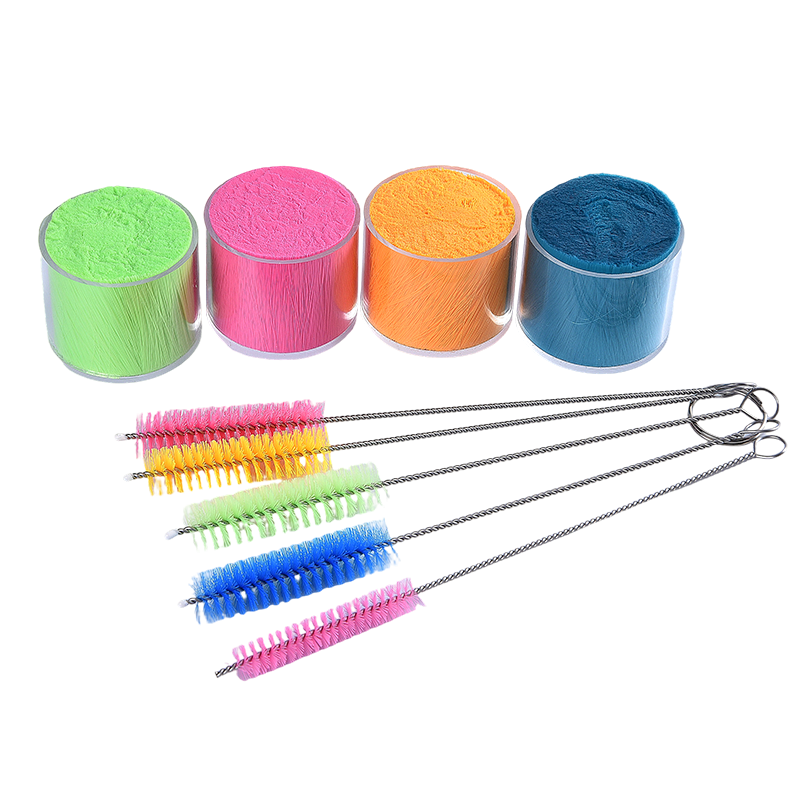
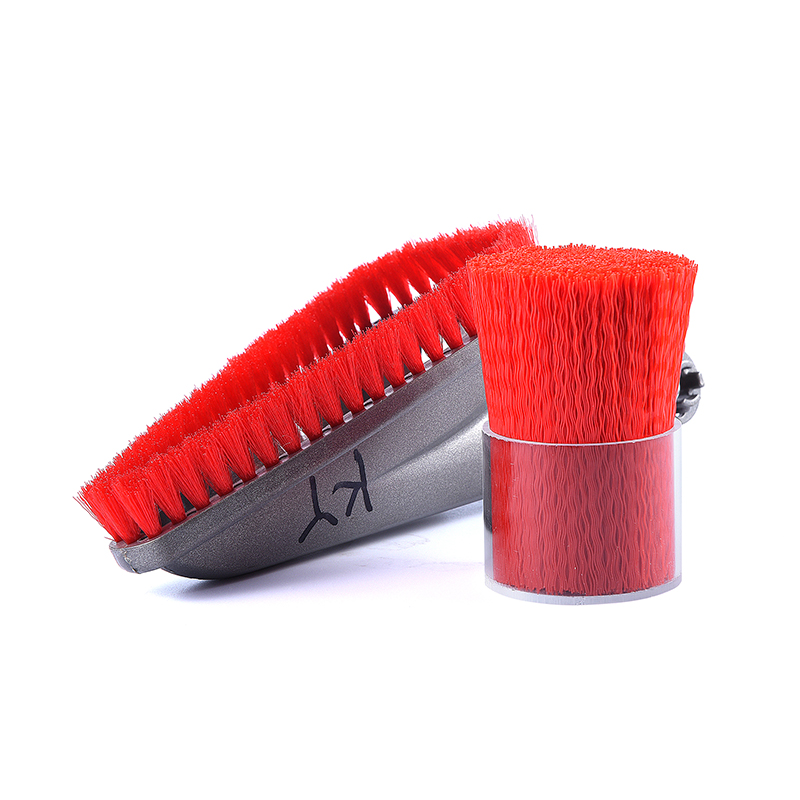
Ввод ключей Нейлоновая щетка PA612 Изготовлена в соответствии со стандартами производительности, которые требуются для этих требовательных применений кистей, имеет диаметр от 0,06 до 3,0 мм и плотность от 1,04 до 1,06 г на кубический сантиметр, доступна с круглой, крестообразной и полой геометрией поперечного сечения, а также в нестандартных цветах, соответствующих стандартам Pantone, предоставляя производителям кистей источник моноволокна PA612 проверенного класса для производства кистей для гигиены и промышленной точности.